 South Shore Trails
Birdwatching on the South Shore: A Beginner’s Guide
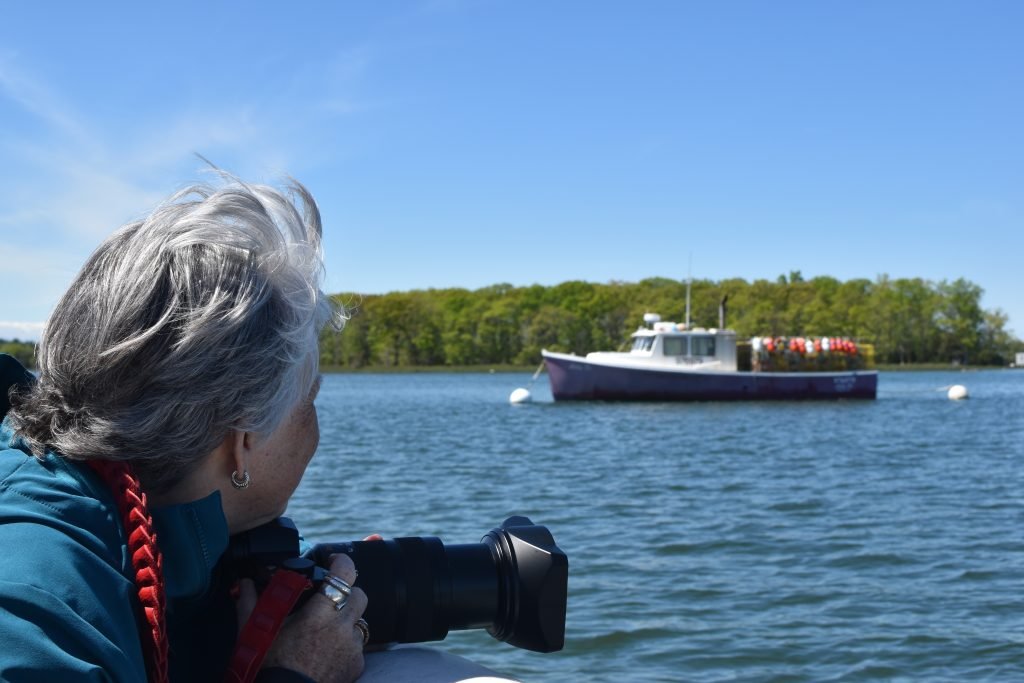
Birdwatching is one of the easiest ways to slow down outdoors. You can do it in your own backyard, on a familiar trail, or anywhere you travel — and unlike a lot of outdoor hobbies, there’s no age limit and barely any gear required.
It’s also one of the fastest-growing outdoor activities in the country. The most recent National Survey of Fishing, Hunting, and Wildlife-Associated Recreation found well over 140 million Americans watch wildlife around their homes, with tens of millions more traveling specifically to do it — and birding makes up a huge share of that. More people are picking it up every year, and the South Shore’s mix of salt marsh, woodland, and coastline makes it a genuinely good place to do it.
Why Birds, Specifically?
Historically, birds were treated as omens — the ancient Romans believed the flight patterns and calls of birds could predict the future. Today, birds still tell us something about what’s coming, just in a more literal way: changes in local bird populations are one of the clearest indicators of environmental health. Certain species are considered “indicator species,” meaning their presence (or absence) reflects the condition of a habitat long before it’s obvious to the naked eye.
That’s part of what makes birding on well-preserved land like South Shore conservation areas rewarding — the birds you see are a pretty direct read on how healthy that patch of land actually is.
What Do I Need to Start?
Less than you’d think:
- Binoculars. You don’t need anything expensive to start — an 8×42 pair is the standard beginner recommendation, balancing magnification with a wide enough field of view to actually find the bird before it flies off.
- A field guide or app. The Merlin Bird ID app (free, from the Cornell Lab of Ornithology) can identify birds from a photo, a description, or even by sound — genuinely useful for beginners who don’t yet know what they’re looking at. eBird, from the same lab, lets you log sightings and see what’s been spotted recently near you, including at specific South Shore trails. A printed field guide to Eastern birds is also worth having as a backup for when you’re out of signal.
- Patience. More than any piece of gear, birding rewards standing still and staying quiet longer than feels natural at first.
What to Look for, by Season
South Shore birding changes dramatically through the year:
- Spring (April–May): Warbler migration. Dozens of colorful, fast-moving warbler species pass through New England on their way north — this is peak birding season for a reason.
- Summer (June–August): Nesting season. Marsh and shorebird activity peaks along the North River and coastal marshes — herons, egrets, and osprey are commonly visible.
- Fall (September–November): Raptor migration. Hawks, ospreys, and other birds of prey move south along the coast, often visible from open, elevated spots.
- Winter (December–March): Waterfowl season. Ponds and harbors that stay open through the cold draw ducks, geese, and other overwintering species — often the easiest season for beginners, since bare trees make birds easier to spot.
Where to Go on the South Shore
- Daniel Webster Wildlife Sanctuary (Marshfield) — a Mass Audubon property with over 500 acres of grassland, marsh, and pond habitat. One of the best dedicated birding destinations on the South Shore; note that it’s a paid-admission sanctuary rather than free conservation land, so budget for a small entry fee.
- World’s End (Hingham) — open fields and hedgerows attract grassland birds, with harbor views that bring in waterfowl and shorebirds.
- North River marshes (Marshfield/Norwell) — tidal marsh along the North River is reliable for herons, egrets, and osprey, especially in summer.
- Great Esker Park (Weymouth) — varied terrain along the Back River estuary, good for both woodland and water species.
A Few Ground Rules
- Stay on marked trails, especially during nesting season (spring/early summer) — ground-nesting birds are easy to disturb without realizing it.
- Keep playback (recorded bird calls) to a minimum. It’s a useful ID tool but overuse can stress birds, especially during breeding season.
- Give birds space. If a bird changes its behavior because of you — flushing, calling in alarm, moving away — you’re too close.
South Shore Trails covers hiking and paddling destinations across 20+ towns on Massachusetts’ South Shore. Browse our full trail directory to find your next birding spot.