 South Shore Trails
Geocaching on the South Shore: A Beginner’s Guide
Have you heard of geocaching? If not, we’re here to help.
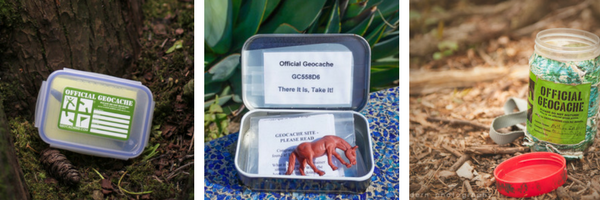
Geocaching is an outdoor treasure-hunting activity: participants use GPS coordinates to find hidden containers, called “geocaches,” tucked away at specific locations all over the world. There are millions of them hidden worldwide — including plenty right here on the South Shore.
A typical cache is a small, waterproof container holding a logbook (and sometimes a pen or small trinkets to trade). When you find one, you sign the log, then place the cache back exactly where you found it for the next person.
How It Works
Geocaching is easy to get into and completely free. All you need is a smartphone and a sense of curiosity.
- Download the Geocaching app (from Geocaching.com) or create a free account on their website.
- Pick a cache near you. The app shows nearby caches on a map, along with difficulty and terrain ratings, hints, and past finders’ logs.
- Navigate to the coordinates, then search the immediate area — caches are hidden, not marked, so this is where the fun (and occasional frustration) comes in.
- Sign the logbook, re-hide the cache exactly as you found it, and log your find in the app.
No smartphone? You can look up caches in advance on Geocaching.com and navigate with a standalone GPS unit instead — that’s how most geocachers did it before smartphones existed.
Types of Caches You’ll Run Into
- Traditional cache — coordinates lead directly to the container. The most common type and the best place to start.
- Multi-cache — a series of clues or waypoints that lead to a final location. More involved, often more rewarding.
- Mystery/puzzle cache — you have to solve a puzzle to figure out the actual coordinates before you even start looking.
- EarthCache — no physical container; instead, you learn about a geological feature at the location and answer questions to log your visit.
For your first few finds, filter for traditional caches with a low difficulty and terrain rating (1–2 stars) — they’re designed to be found without much searching experience.
Where to Go on the South Shore
There are caches scattered across nearly every conservation area on the South Shore. If you’re new to the area or the hobby, look for a cluster of several caches in one place — that way you’re likely to find at least one even as a beginner.
A few good starting points:
- Great Esker Park (Weymouth) — varied terrain along the Back River estuary with several caches in range of each other.
- Norris Reservation (Norwell) — North River views and a good mix of easy and moderate finds.
- Cornhill Woodland (Marshfield) — quieter, wooded terrain, good for a more low-key first outing.
Geocaching Etiquette
Geocaching runs on trust and a “leave no trace” mindset — a few rules keep it that way for everyone:
- CITO — Cache In, Trash Out. Many geocachers pack out a bit of litter along the way as a matter of course. It’s an unofficial but widely respected tradition in the community.
- Re-hide the cache exactly as you found it, so the next person has the same experience you did.
- Don’t take anything from a cache without leaving something of equal or greater value, if there are trade items inside.
- Stay on trail where possible, especially in sensitive habitat — the cache isn’t worth trampling a marsh edge or a nesting area for.
- Be discreet around “muggles” (non-geocachers) — part of the fun is that most people walking by have no idea a cache is nearby.
What to Pack
Geocaching often means more time outdoors than you originally planned — one cache leads to “just one more,” and suddenly you’ve covered a few miles. Treat it like any other trail outing:
- A backup phone charger or battery pack (your GPS and app will drain your battery faster than normal use)
- A refillable water bottle
- A small pack for snacks and layers, and snacks to fill it
- A small waterproof notebook and pen (some cache logbooks are tiny and don’t include one)
South Shore Trails covers hiking and paddling destinations across 20+ towns on Massachusetts’ South Shore. Browse our full trail directory to find your next geocaching spot.